
21 years strong, and still keeping surfers stoked!




Surf in Chicama Surf Resort, PERU
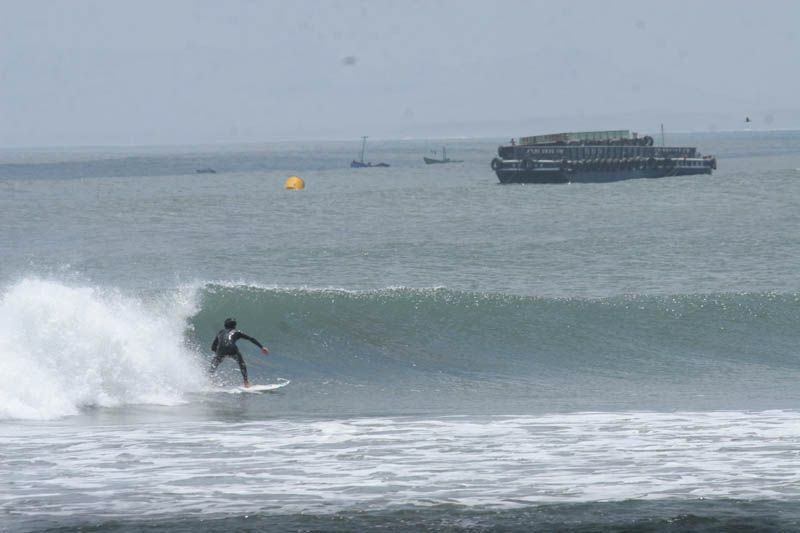
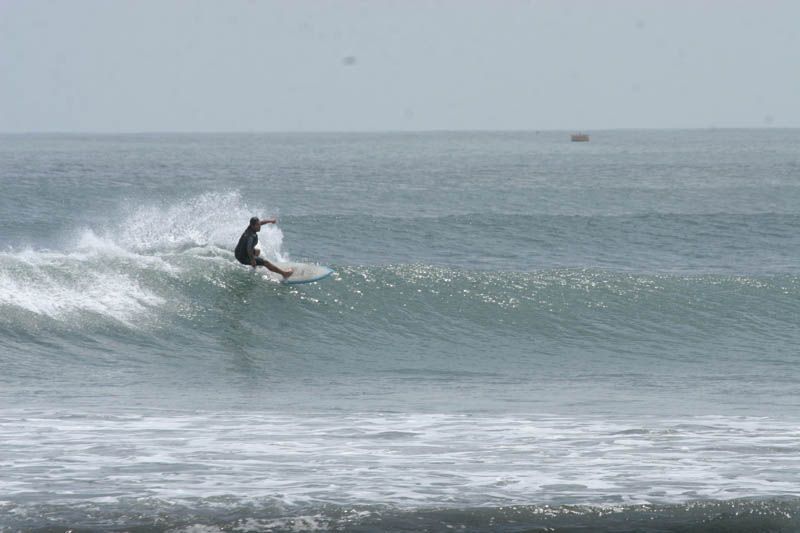
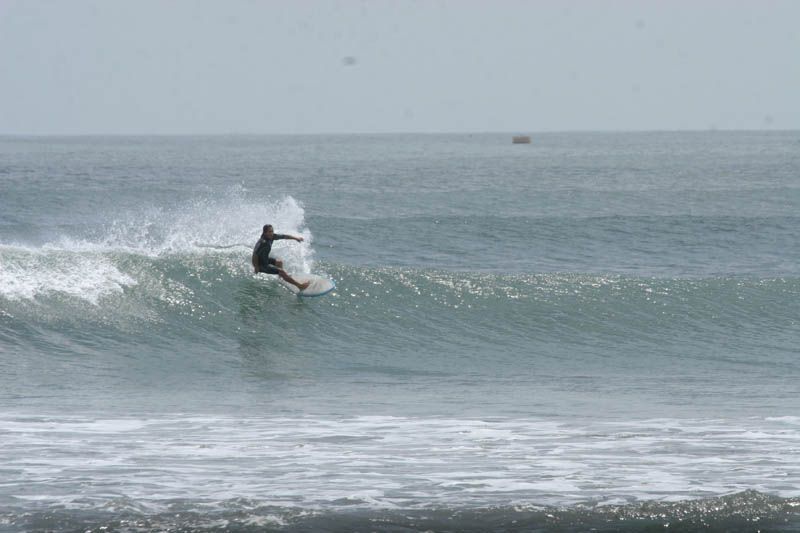
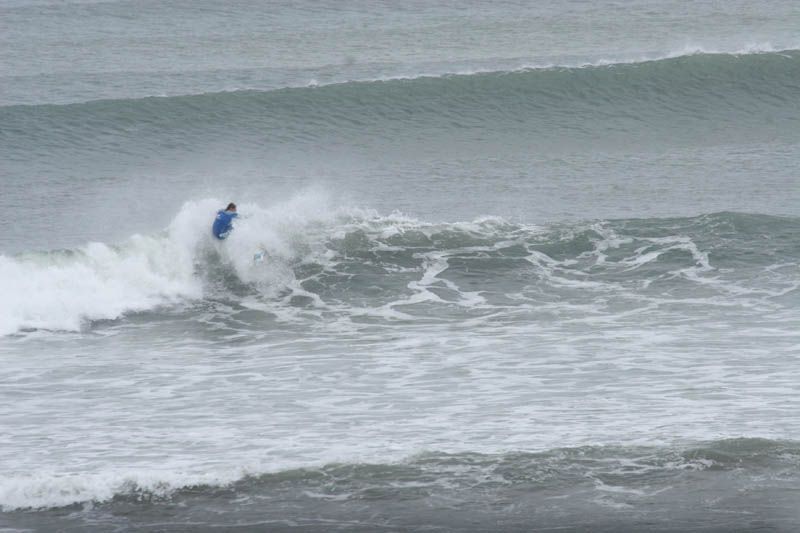
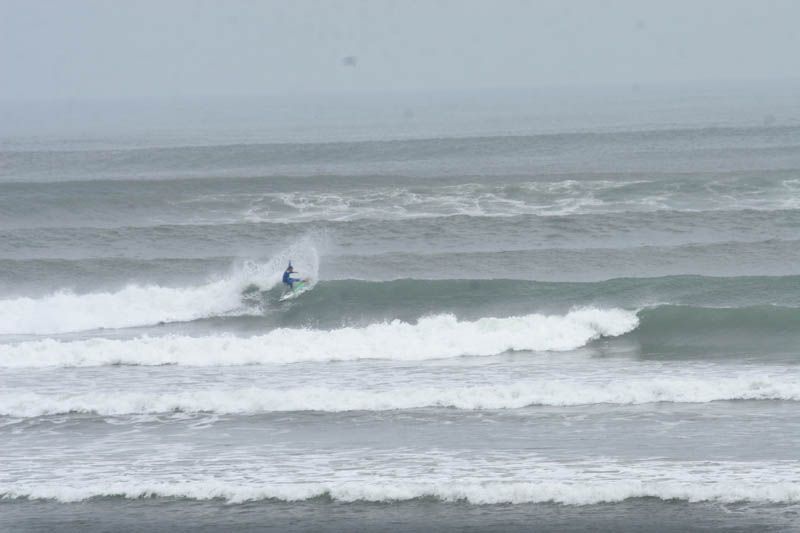
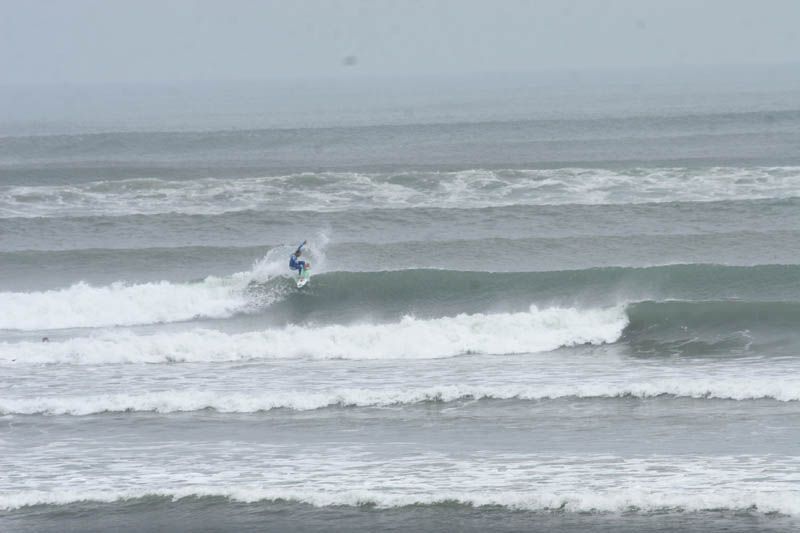
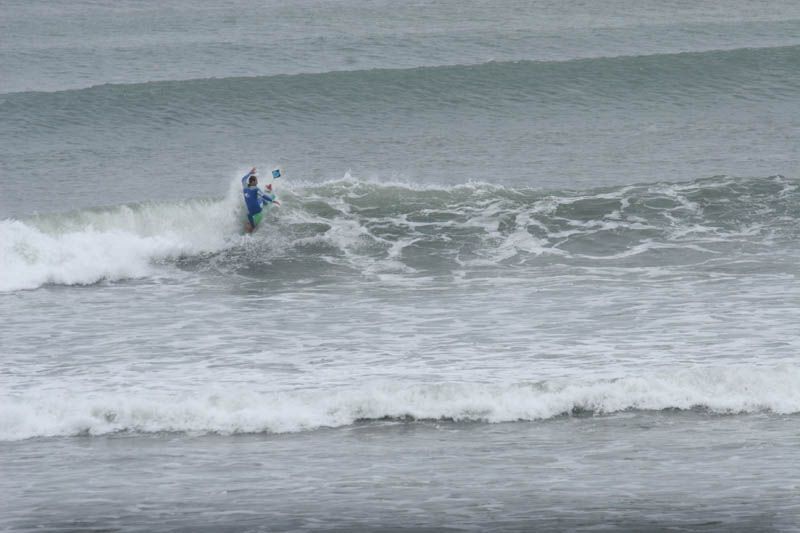
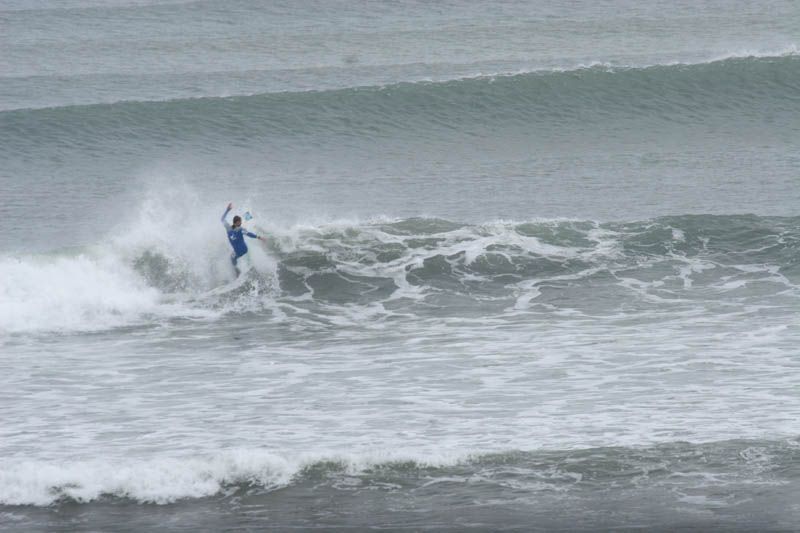
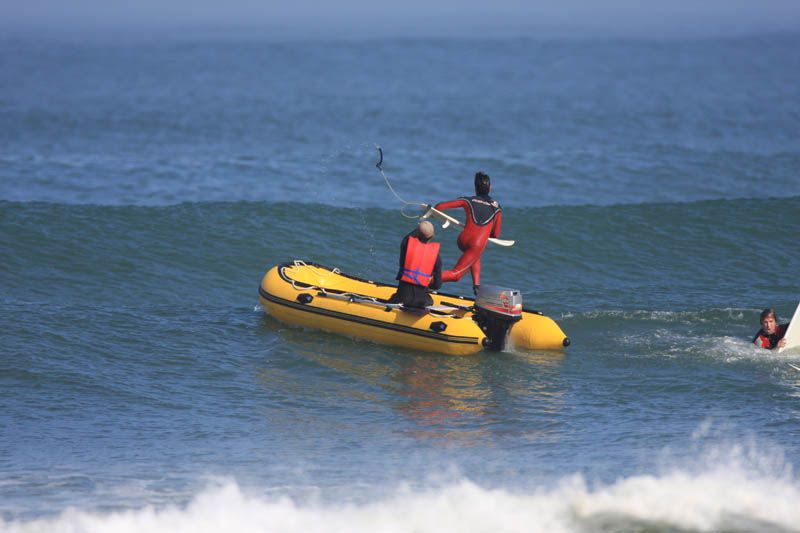
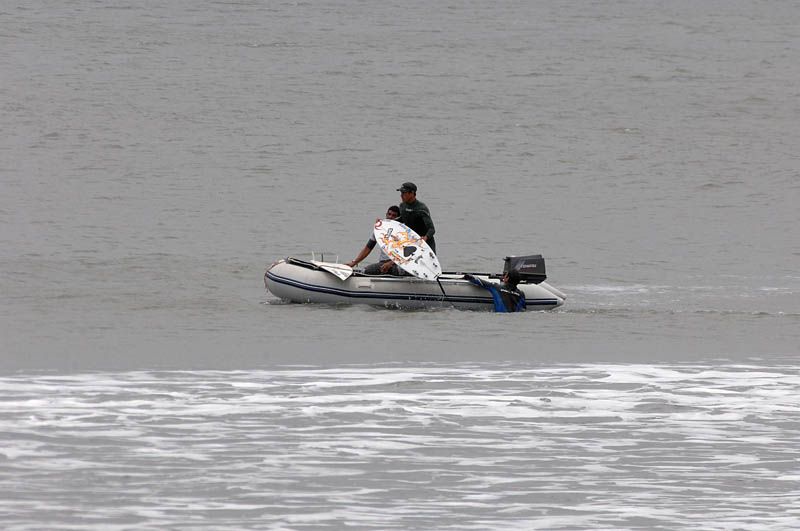
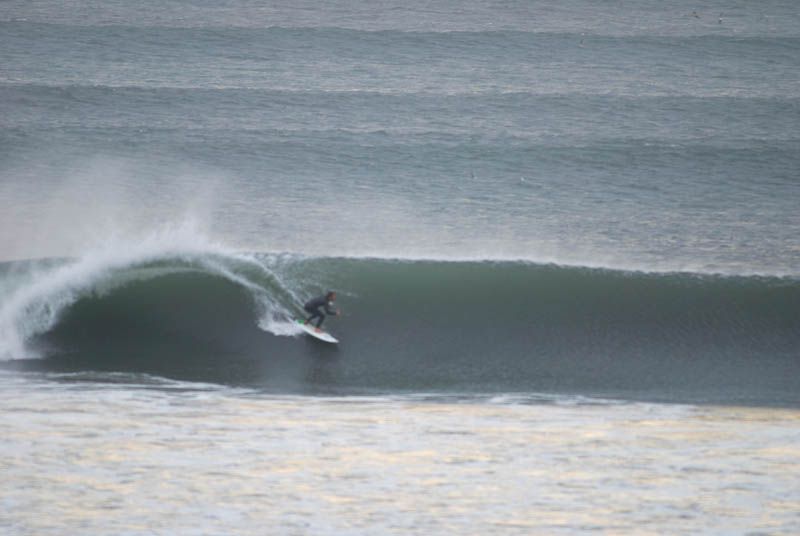
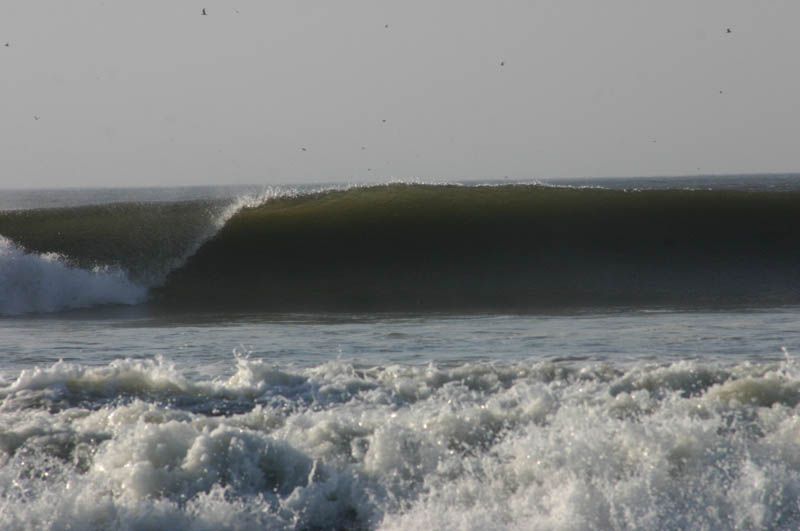
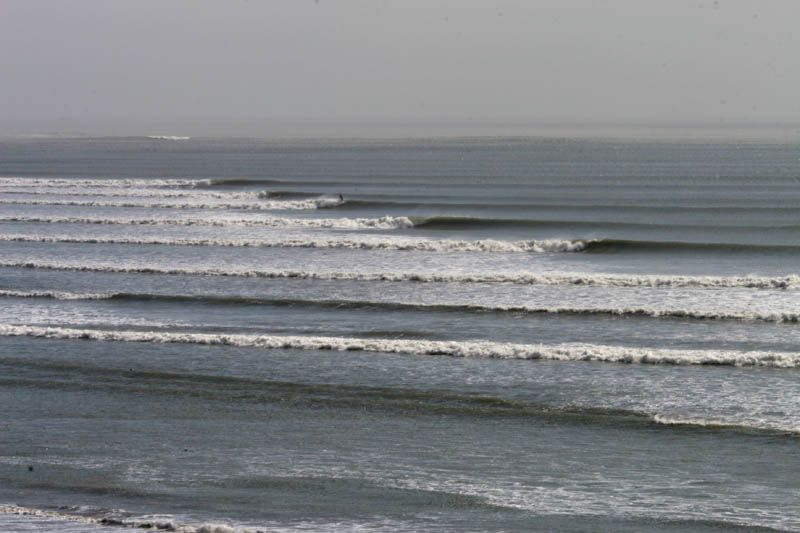
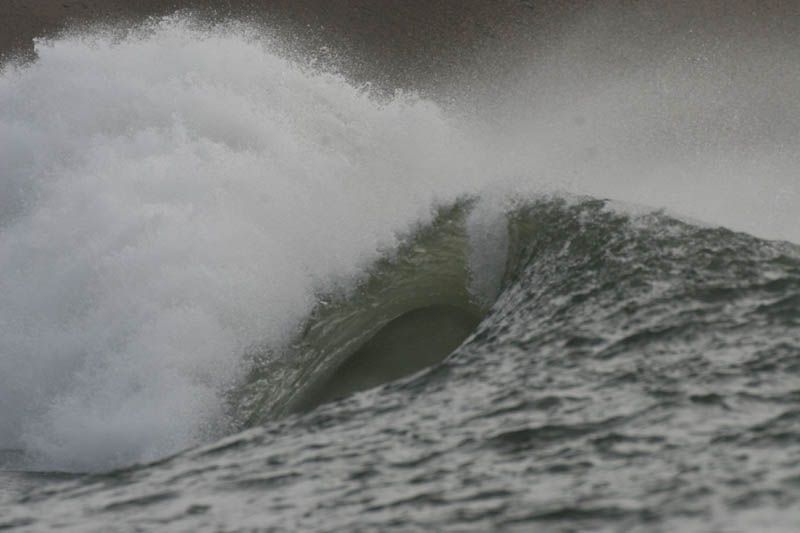
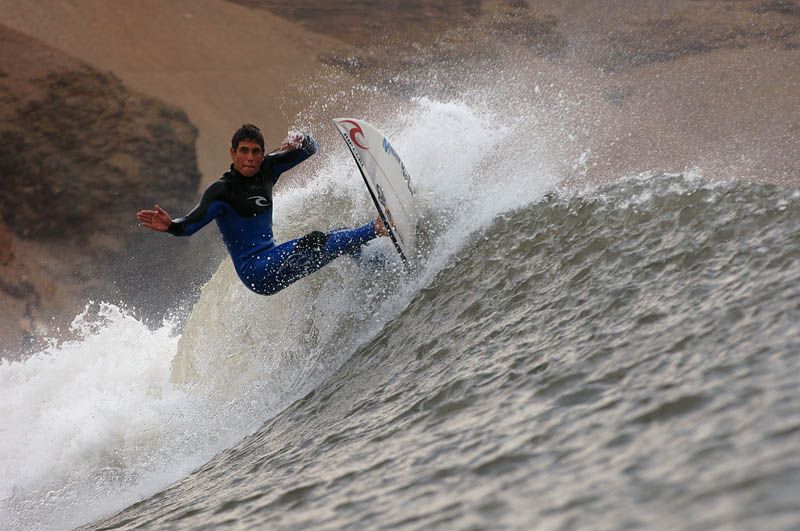
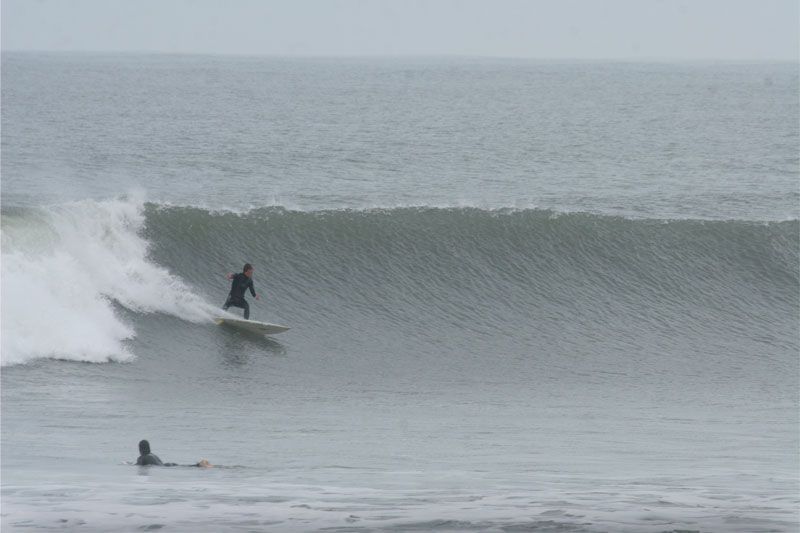
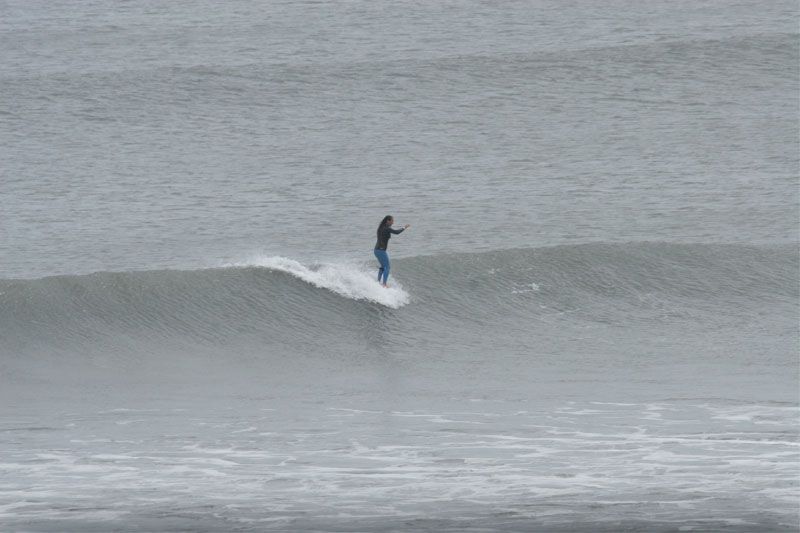
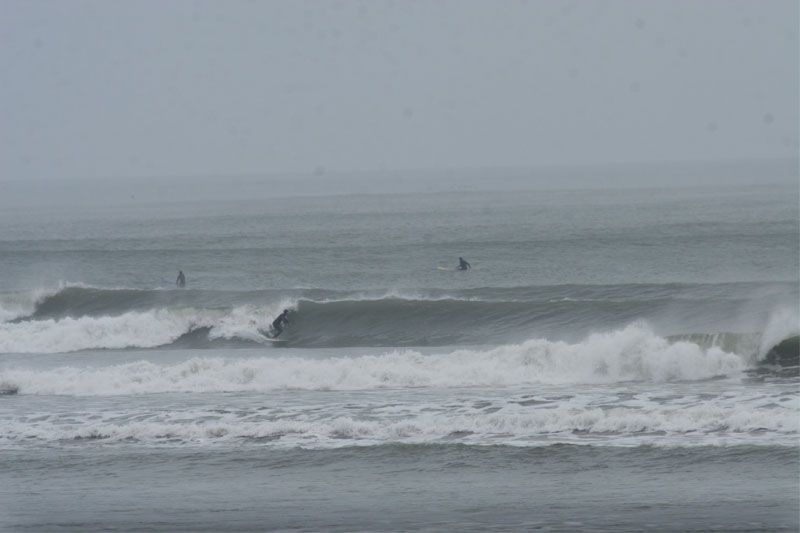
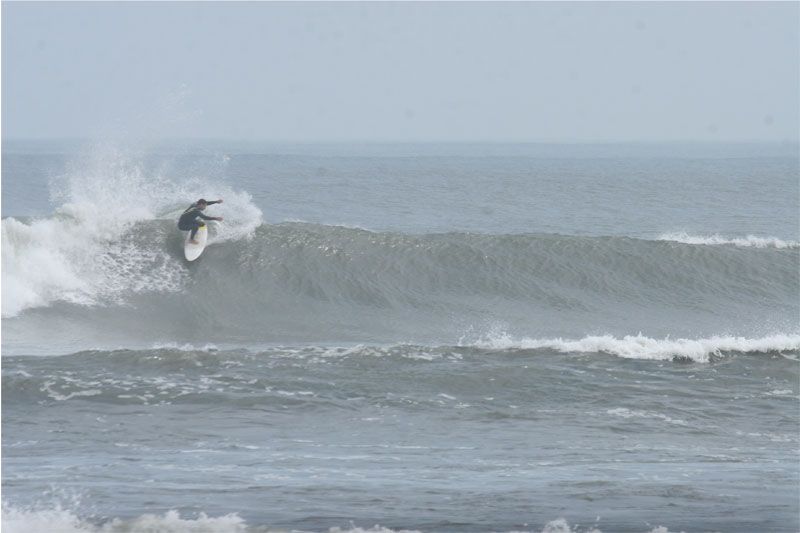
Surfing in Peru
All around the globe a surf hype has exploded, taking Peru with it. And not without reason; in this peruvian waves 2 world champions Felipe del Pomar & Sofía Mulanovich surfed and ripped all their life, and even the 2nd ASP contest ever was held in Peru. In ancient Peru, "wave riding" was practiced since the beginning of civilization. The Mochica people, members of a northern Peru ancient culture rode waves coming in from fishing in a daily and obliged ritual. To be a fisherman in ancient Peru you had to be a surfer, a reed boat surfer.
Times have changed; people evolved and so did men tools. Old wooden boards in Hawaii or Peruvian reed boats were replaced by modern and lighter surf boards made of synthetic foam and fiber glass, although the ecstasy feeling of riding a wave remains intact in the hearts and souls of those who ride waves today.
A special combination of adventure spirit, courage, commitment and the interminable search of the perfect wave characterize this unique tribe of men and women who travel the world dancing on the crest of the waves. Peru is one of those privileged places on earth where nature's generosity offers innumerable breaks with waves from every size, from every type. From beginners to advanced surfers, children, men, women,
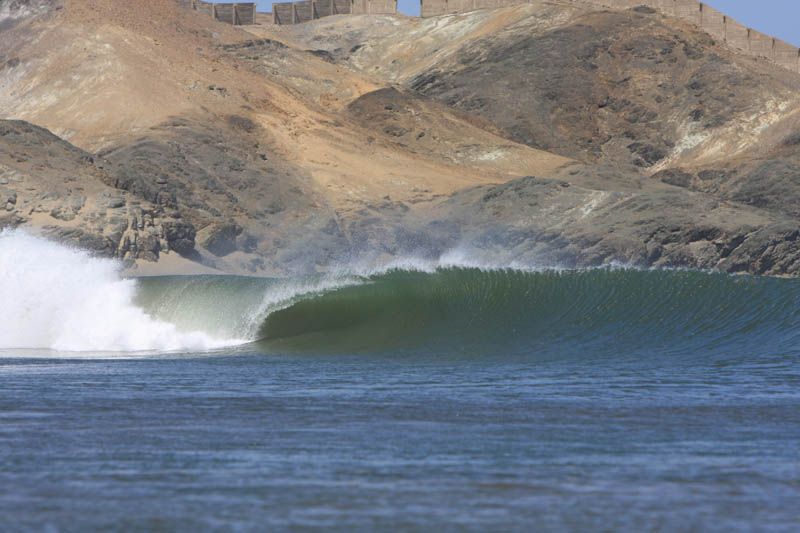
there is a wave for everyone in this country where surfing is possible 365 days a year, with lots of surf spots to be discovered and where many, many waves pass unridden, this is the case of Chicama. The longest Wave on Earth! You can even confirm it with Google Earth.
In comparison, Tracks magazine has stated that a wave has been ridden at the "Superbank" on the Gold Coast in Australia for "1.97km". The distance from 'the point' to 'the pier' at Chicama is about 2.2km, which is totally possible to be ridden on a single wave in big swells About Chicama surf spot Chicama is a port and small coastal town in northwestern Peru, located in the La Libertad Region, north of the city of Trujillo. The town and beach are also called Puerto Malabrigo.
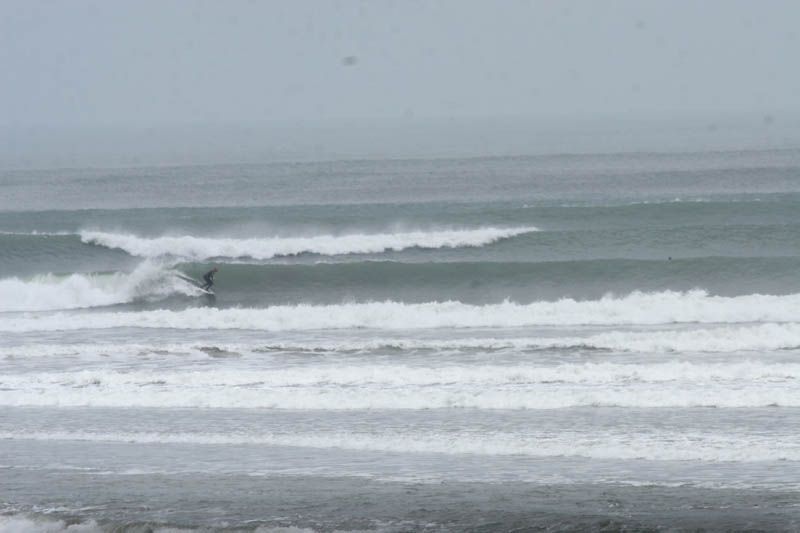
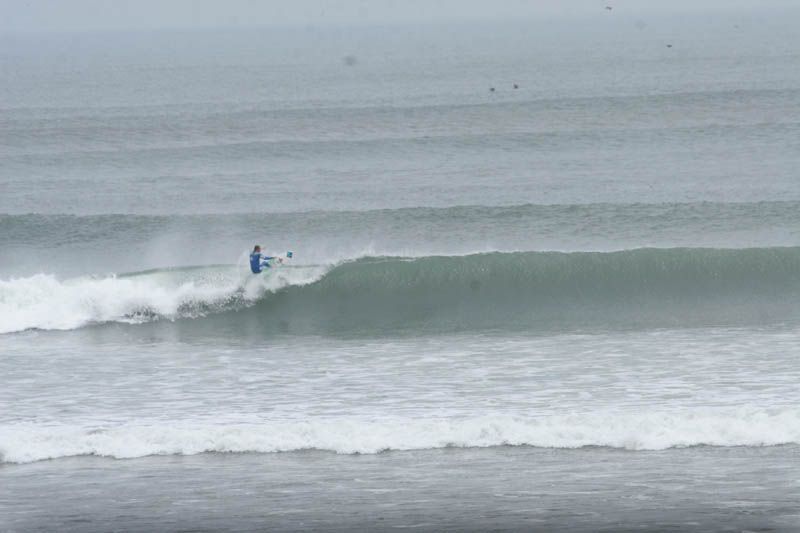
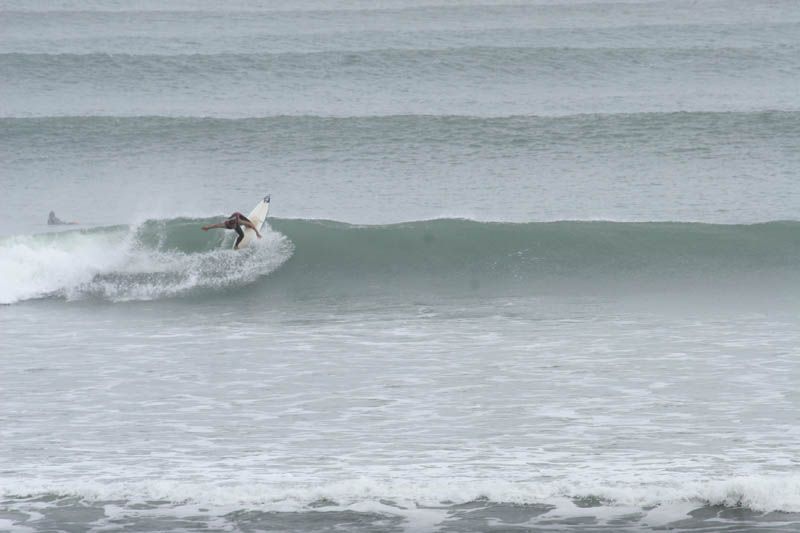
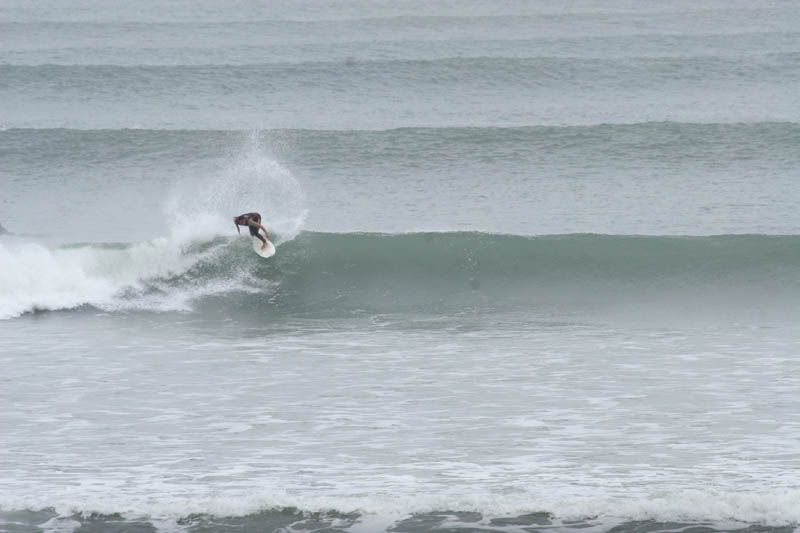
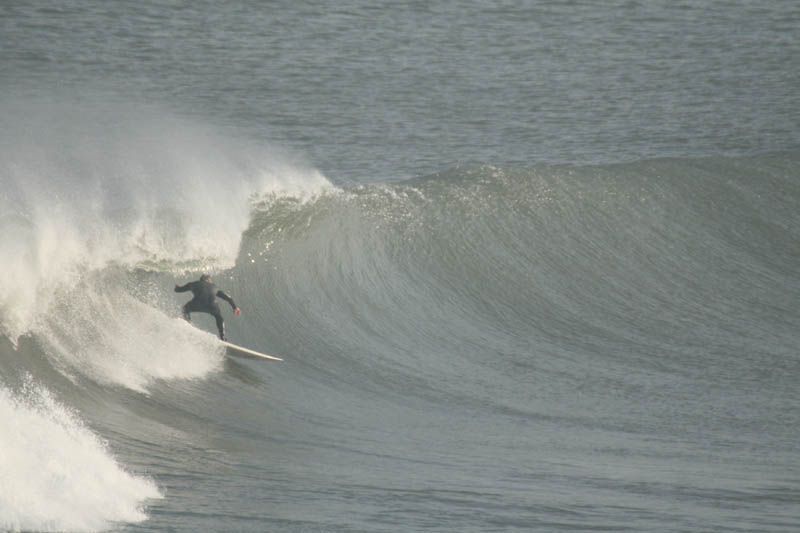
Locals have called the waves at Chicama, from the top of the Cape to the pier, "Malpaso", "The Cape", "The Point", and "El Hombre". At other times other names have been given, but these are the names from locals as of 2005."The Point" is considered the best part of the wave and is the most famous, which will break for around 1km up to about 6 feet in size (Hawaiian scale), but to ride longer than this all the way to the pier (about 2.2km) on a single wave needs a swell >6 feet, which the place receives at least once a week. The section names “El Hombre” provides really good barrels with big swells specially SW from 200° to 225°. For experienced surfers this is the best sections and usually when it is big they stay around that area. The wave is well-shaped, fast and moderately hollow, breaking over soft sand, but not a genuine tube, nor very powerful, unless the swell is very big (i.e. >6 feet).
The bigger the waves, generally the better the wave and the main point will hold at least 10 feet Hawaiian scale (i.e. about 20 feet faces). The wave tends to speed up and slow down alternately, and it is rare to ride a single wave along the length of the point for this reason. There is also a middle section along the point which is rocky, generally hollower, but also fast and difficult to make after about 1000m, but locals claim to have
achieved a single ride all the way to the pier, for a distance of about 2.2km, in 10 foot swells.